Hush opens first three standalone stores as it moves onto the high street – Retail Gazette

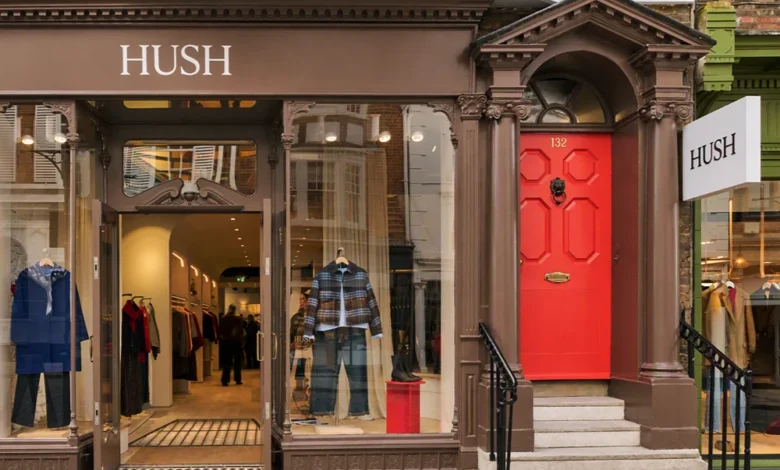
The British womenswear label Hush has officially transitioned into the world of physical retail, marking a significant evolution for the brand that has spent over two decades operating as a digital-first entity. By launching three dedicated standalone locations across the South East of England, the company is testing a new chapter of growth that aims to bridge the gap between its highly successful ecommerce platform and the tangible needs of its customer base. This strategic shift represents a calculated effort to deepen brand loyalty, increase customer touchpoints, and leverage the rising trend of "phygital" retail, where online presence and physical store experiences function in tandem.
A Chronology of the Physical Expansion
The rollout of these stores followed a precise, staggered schedule, designed to allow the company to manage operations and gauge consumer sentiment in real time. The inaugural store opened its doors at the Bluewater shopping centre in Kent on 9 October, signaling a bold entry into one of the UK’s most significant retail destinations. This was followed shortly by a store in Guildford, Surrey, on 16 October, and the final site in the affluent market town of Marlow, Buckinghamshire, on 5 November.
This sequence is not coincidental. Each location serves a distinct demographic and retail environment. Bluewater represents the high-traffic, regional shopping center model; Guildford represents the high-end, premium high street environment; and Marlow offers an intimate, community-focused market town atmosphere. By selecting these three diverse settings, Hush is essentially conducting a live case study to determine which environment yields the highest return on investment and the most effective brand engagement.
The Evolution of an Ecommerce Icon
Founded in 2003 by Australian entrepreneur Mandy Watkins, Hush carved out a lucrative niche by offering relaxed, contemporary womenswear that prioritized comfort and effortless style. For years, the brand thrived as an online-only operation, a model that shielded it from the high overheads and volatility that plagued many traditional brick-and-mortar retailers during the mid-2010s.
While its primary revenue stream remained its website, Hush did experiment with physical presence through concessions—most notably within John Lewis department stores. These partnerships proved to be a catalyst for growth, providing the brand with data on how its physical presence influenced sales. Reports from 2018 indicated that such concessions led to significant double-digit boosts in regional sales, proving that even a digital-native brand could benefit from the "try before you buy" experience. These early successes laid the groundwork for the current decision to launch fully independent storefronts.
Strategic Rationale and Brand Philosophy
The decision to open standalone stores is rooted in the shifting landscape of modern consumer behavior. According to retail analysts, while ecommerce remains dominant, there is a clear demand among consumers for physical touchpoints where they can assess the quality of textiles—a critical factor for a brand like Hush, which focuses on knitwear, cashmere, and high-quality cottons.
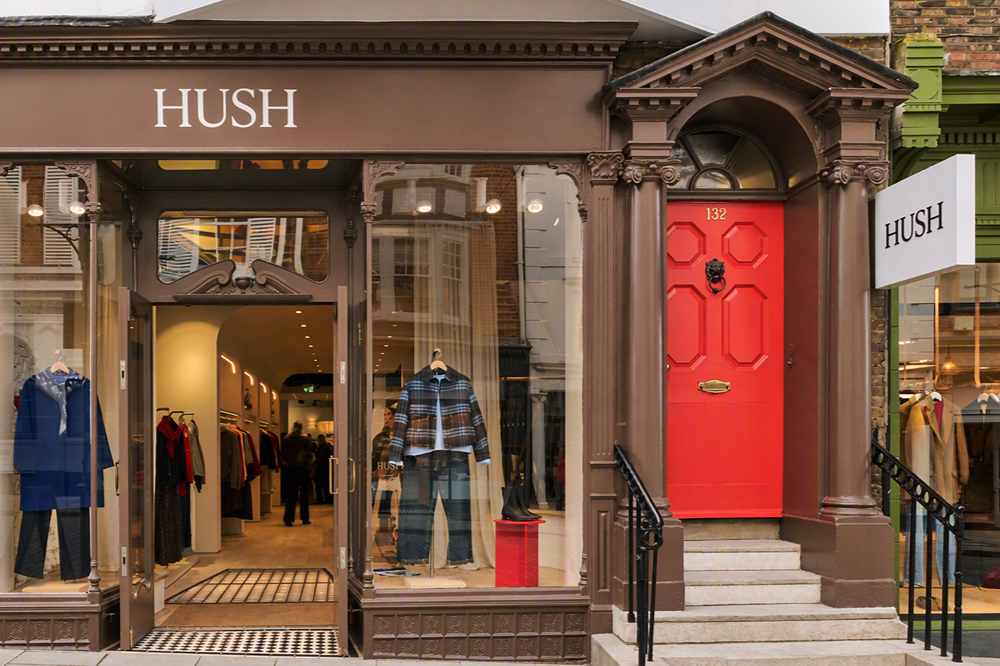
Chief Executive Sarah Miles has framed these openings as an "important milestone" in the brand’s trajectory. The move reflects a broader realization in the fashion industry that digital and physical retail are not mutually exclusive but rather complementary. By providing a physical space, Hush is not just selling clothes; it is curating an experience. The new stores offer styling services and personalized outfit inspiration, allowing staff to act as brand ambassadors who can translate the brand’s aesthetic into individual consumer needs.
From a data-driven perspective, the move is timely. Recent trading updates for Hush have shown a robust performance, characterized by growth in full-price sales and an expanding customer base. By moving into physical stores, the company aims to capitalize on this momentum, turning casual website visitors into loyal, repeat customers who value the brand’s tactile and personal service.
Broader Market Implications
The retail sector in the United Kingdom has undergone a period of intense contraction and transformation. As high streets continue to struggle with vacancy rates, the move by a digital-first brand to invest in physical space is a vote of confidence in the longevity of the high street. It also highlights a growing trend among "digital-native" brands—such as Allbirds, Warby Parker, and various luxury labels—to pursue a "clicks-to-bricks" strategy.
This expansion is also indicative of Hush’s broader ambitions. The company has publicly identified potential for international growth, with eyes on markets in the United States, Ireland, and the Middle East. If the current UK store model proves successful, it will likely serve as a blueprint for international expansion. The ability to manage inventory across multiple channels while maintaining a premium brand image is a skill that will be vital as the company seeks to scale globally.
Operational Excellence and Inventory Strategy
The new stores are stocked with the full breadth of the Hush collection, including knitwear, outerwear, denim, accessories, and footwear. This comprehensive offering is designed to create a "total brand" experience. Unlike concessions, which are often limited by floor space and store branding requirements, these standalone shops allow Hush to exercise full control over the visual merchandising, store layout, and customer journey.
The operational challenge for the retailer will be supply chain integration. To ensure success, Hush must synchronize its ecommerce inventory with its store stock levels. This involves sophisticated data analytics to predict regional demand and ensure that the right sizes and styles are available in the right locations at the right time. The investment in these three locations suggests that the company has reached a level of operational maturity that justifies the transition from a purely logistical model to a multifaceted retail operation.
Looking Ahead: The Future of the Hush Footprint
The company is currently in a phase of assessment. While the three initial locations are being used to gather data, the leadership team has confirmed that they are actively considering further sites. The pace of this expansion will likely be determined by the performance metrics of the current stores—specifically, the conversion rates of visitors, the average transaction value, and the degree to which these stores increase brand awareness in their respective catchment areas.
Industry observers suggest that for a brand like Hush, which has a loyal but relatively niche following, the physical store acts as a "billboard" that builds trust. Even for customers who continue to shop primarily online, the existence of a physical store can increase their propensity to purchase, as the brand gains a level of legitimacy and permanence that is sometimes lacking in pure-play ecommerce entities.
The move also places pressure on competitors in the "premium high street" segment. As Hush enters the physical space, it will be competing directly with established high-street brands for foot traffic and prime real estate. However, its history as a digital-first brand gives it a unique advantage: it enters the market with a lean, data-backed understanding of its core customer, allowing it to tailor its physical presence with greater precision than traditional retailers who may be hampered by legacy systems or bloated store portfolios.
Conclusion
The opening of standalone stores by Hush is more than just a real estate play; it is a fundamental shift in the company’s business model. By integrating physical retail into its digital ecosystem, Hush is positioning itself to capture a larger share of the womenswear market, build stronger customer relationships, and establish a foundation for international growth. As the brand monitors the performance of its Bluewater, Guildford, and Marlow locations, the retail industry will be watching closely to see how effectively this digital-native brand can navigate the complexities of the physical marketplace.
Ultimately, the success of this strategy will depend on the brand’s ability to offer a customer experience that justifies the trip to the store in an age of instant, home-delivered gratification. If Hush can replicate the success it found in the John Lewis concessions on a larger, independent scale, it will have successfully proven that the future of retail is not just online, but a carefully calibrated harmony of both. The coming months will be critical as the company evaluates its performance and determines the scale and scope of its future footprint, marking a new chapter in the brand’s twenty-year history.
Related posts: